
How to Refresh Your Business Brand and Connect with Customers
Small business owners often reach a point where strong work and steady service no longer translate into attention, trust, or repeat business. The core tension is that brand identity shapes customer perception and market positioning, yet it can drift out of sync as offerings evolve, competitors sharpen their message, and customer expectations change. When the look, tone, or promise feels unclear, people hesitate, misinterpret value, or forget the business entirely. A focused brand refresh can restore clarity and momentum by changing what customers notice, believe, and remember.
Understanding a Brand Refresh as a Growth Strategy
A brand refresh is a deliberate update to how your business looks, sounds, and shows up, without throwing away what customers already trust. It treats branding as a growth lever, not a cosmetic project, by protecting the value you have built and making your message feel current. At its core, rebranding is the process companies follow to change their identities, and a refresh is the lighter version of that shift.
It matters because when your presentation stops signaling relevance, people assume you have not kept up, even if your service is better than ever. A clearer, more modern expression strengthens engagement, reduces confusion, and helps you stand apart in a crowded market. That urgency is real when 81% of brands across Europe could disappear overnight and consumers wouldn’t care.
Think of a busy cafe that expanded into catering but still uses a dated menu board and generic tagline. New buyers miss the catering option, and regulars do not realize anything has changed. A refresh updates the cues so customers notice the new value fast. That same speed is why AI image generation helps you test visual directions quickly.
Generate New Visual Directions Fast With AI Image Concepts
Once you’ve decided a refresh can drive growth, the next challenge is developing visuals that feel new without drifting off-brand. AI-generated images can help you create engaging visual content quickly, giving you multiple directions to evaluate for advertisement visuals, social media branding, and other digital marketing assets. Instead of waiting on a single concept to mature, you can explore variations and refine what best matches the look and message you want customers to recognize. Using a text-to-image tool like the Adobe Firefly AI text to image generator can streamline the process of creating visual content to promote your brand. Next, you’ll apply specific refresh moves that modernize your brand while preserving recognition.
Apply Brand-Refresh Moves Without Losing Recognition
A strong brand refresh keeps what customers already recognize while updating what no longer fits. Use these moves to reduce guesswork, make faster decisions, and keep every channel aligned.
1.Lock your “non‑negotiables” before changing visuals: List 3–5 recognizable brand cues you will protect (for example: primary color, logo shape silhouette, mascot, or a distinctive typography trait). Put them into a one-page reference so designers don’t “solve” the problem by starting over. This protects recognition while still giving you freedom to modernize details.
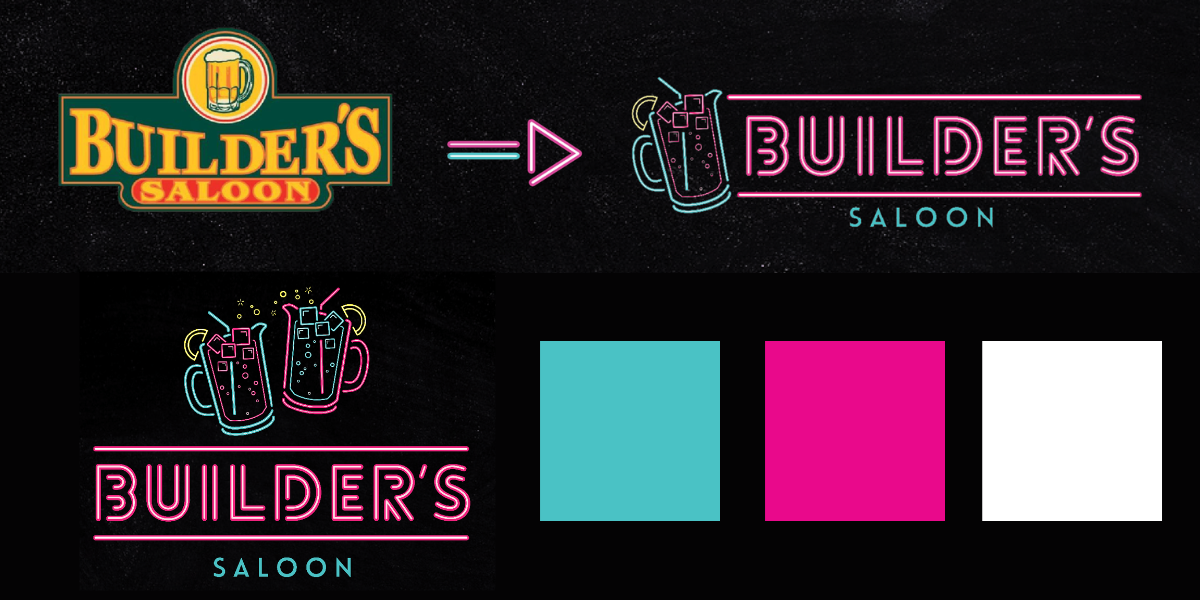
2.Redesign your logo by editing, not replacing: Start with 2–3 redesign routes that keep the same core structure (icon geometry, letterform, or proportions), then vary only one dimension at a time, stroke weight, corner radius, spacing, or simplification. If you used AI image concepts to generate new visual directions, constrain prompts with those non‑negotiables and ask for “iterations” rather than “new logos.” A practical test: shrink to 24px and print in one color; if it fails either, refine before you add flair.
3.Refresh your brand mission statement with a tight template: Rewrite using a simple structure: Who you serve + what outcome you create + how you do it differently. Keep it to 20–35 words so teams can remember it and customers can feel it in your choices. Many teams revisit foundations because updating your mission helps match shifting customer expectations and priorities like sustainability and new ways of working.
4.Create a slogan that earns its place on packaging and headers: Draft 10 options in one sitting, then cut to 3 that pass two checks: (1) they name a real customer benefit, and (2) they could credibly be proven by your product or service. Avoid internal language like “innovative solutions”; instead, use concrete outcomes such as “Book in 60 seconds” or “Built for busy teams.” Stress-test by asking a customer to explain what they think you do after reading only the slogan.
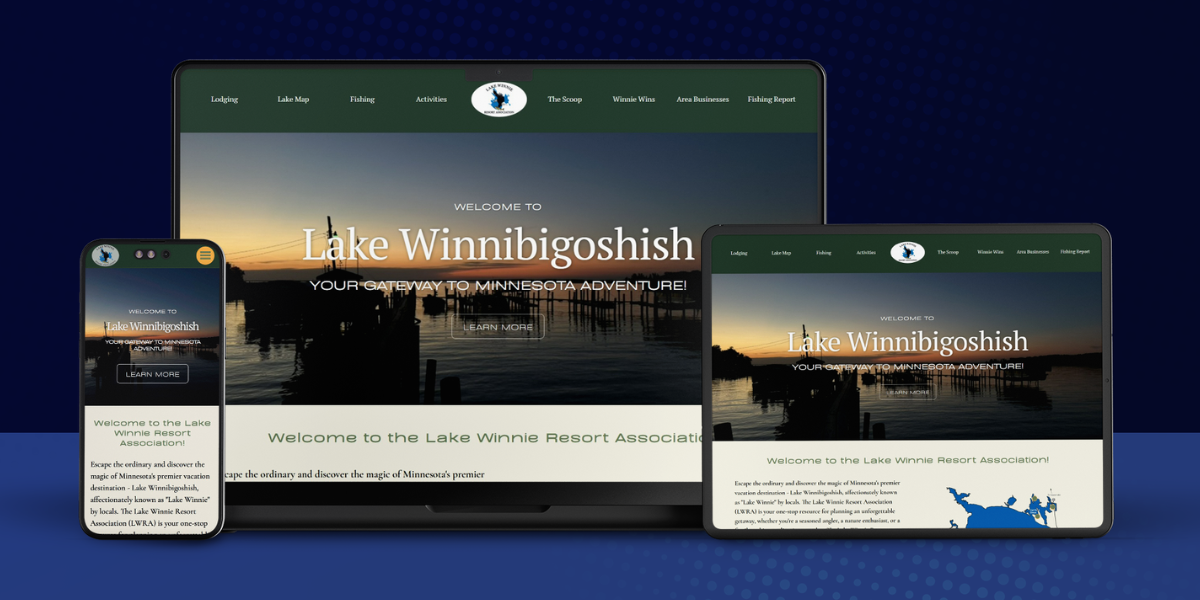
5.Plan website revamp strategies around top tasks, not pages: Identify the top 5 user jobs (price check, booking, comparing, support, reorder) and redesign flows to complete each in 2–4 clicks. Update navigation labels to match the words customers use, and place one primary call-to-action per page to reduce decision friction. Use AI-generated visual comps as quick “direction boards,” then validate with real content and real device previews.
6.Update product packaging design for shelf clarity and repeat purchase: Standardize a “front-of-pack” hierarchy: brand → product name → key benefit → variant details, then keep that order consistent across SKUs. Because 78% of first-time purchases can be influenced by packaging appearance, prioritize legibility at 3–6 feet and quick differentiation between variants (color banding, icons, or clear naming). Prototype with printed mockups under typical lighting before committing to production.
7.Build customer feedback integration into every decision gate: Create a lightweight loop: 8–12 customer interviews or intercepts, one short survey, and a quick preference test between 2–3 options for the logo, slogan, homepage, or packaging. Ask behavior-based questions like “What would you do next?” and “What do you expect this costs?” rather than “Do you like it?” Keep a decision log that ties each change to a customer insight so stakeholders can agree on why it changed.
Brand Refresh Milestone Checklist
This checklist turns a brand refresh into trackable project milestones, so updates roll out cleanly across channels and teams. Strong brands can drive business outcomes, and powerful brands outperform when the execution is disciplined.
✔ Confirm protected brand cues and document them on one page
✔ Review customer top-tasks and map the shortest path to completion
✔ Validate logo legibility at small size and in single color
✔ Rewrite mission and slogan for clarity and customer benefit
✔ Audit competitors and run a quick brand audit scorecard
✔ Update core assets: templates, social headers, signage, and packaging files
✔ Track stakeholder communication: what changed, why, and when it ships
Check off the list, then ship one channel update at a time with confidence.
Turn Strategic Brand Planning Into Consistent Customer Loyalty
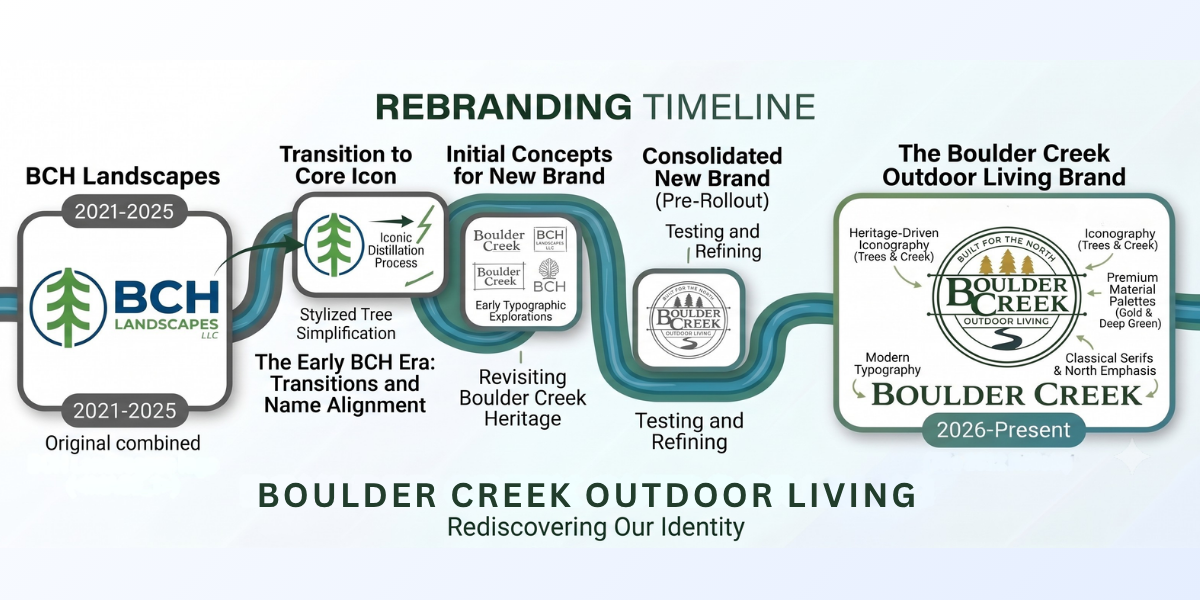
When a brand looks and sounds inconsistent across channels, customers hesitate, and trust erodes even if the product is solid. A disciplined brand refresh, grounded in strategic brand planning and carried through with the same rigor as the milestone checklist, reduces that friction and makes decisions easier to execute. The brand refresh impact shows up as clearer expectations, smoother experiences, and steadier customer loyalty, which supports business revitalization rather than one-off attention. A brand refresh works when strategy and execution stay aligned at every touchpoint.