

How to Create Content That Builds Trust and Grows Your Digital Presence
For local business owners and solo marketers, digital marketing for small businesses often feels like a constant push to post more while results stay unclear. The real tension isn’t effort, it’s that inconsistent messaging and scattered visuals can make a brand seem unfamiliar, even when the work is solid. Brand consistency in marketing turns everyday posts into recognizable signals that help people feel confident about who a business is and what it offers. With the right focus on digital presence building and the content strategy importance behind it, content starts attracting online audience members who are a fit.

Understanding Engaging, On-Brand Content
Good digital content does three jobs at once. It earns attention fast, it sounds like your business every time, and it gives people a simple way to respond. Since 80 percent of people read your headline, your hook and your message need to match from the first line. This matters because trust grows when people recognize you and feel helped, not pushed. Clear, consistent posts reduce confusion and make it easier to choose you when the need is real.
Think of it like a helpful shop owner. They greet you with one clear promise, answer one question well, then invite a small next step like “Want a quick recommendation?” Ideas like interactive content make that invitation feel natural. A storyboard-first plan makes those moments intentional before you write or design.
Storyboard Your Content to Align Visuals, Flow, and CTAs
Once your content feels engaging and on-brand, the next step is making sure it unfolds in a way that’s easy to follow and act on. Creating a storyboard gives your business a simple way to plan the sequence of a video or visual campaign before you produce anything, so the final piece feels clear, cohesive, and aligned with your brand. Instead of juggling ideas in your head, you can map out what the audience will see, what message lands in each moment, and where your calls to action naturally belong.
That planning helps you spot gaps, tighten the narrative flow, and keep visuals and messaging working together rather than competing for attention. If you want faster clarity, an AI storyboard generator can help you visualize and organize ideas by generating storyboard sequences that outline scenes, narrative beats, and creative concepts ahead of production; when you’re ready to try one, use Adobe Firefly storyboard AI to explore how those sequences can come together. With your storyline and CTAs sketched out, you’ll be in a better position to turn that plan into a repeatable strategy in the next section.
.jpg)
Turn Your Content Plan Into a Repeatable System
Your story board gives you a clear flow. This process turns that clarity into a simple content system that builds trust over time and helps more people find you.
Choose 1–2 formats you can sustain
Start with the formats that match your time and strengths, such as short posts, a simple newsletter, or one video style you can repeat. Pick what your audience already uses most, then commit to a small “starter mix” so you do not spread yourself thin.
Identify what your audience needs next
Write down the top 5 questions people ask you, then sort them into themes like “how it works,” “pricing,” “getting started,” and “common mistakes.” Ground your ideas in real conversations by using surveys, interviews, and data analysis so your content answers what people actually care about.
Set arealistic publishing cadence and stick to it
Choose a schedule you can maintain for 8 weeks, even if it is just one strong piece per week plus one quick follow-up post. Consistency builds familiarity, and familiarity builds trust, especially for new audiences who are deciding whether to follow you.
Tighten headlines and visuals before you publish
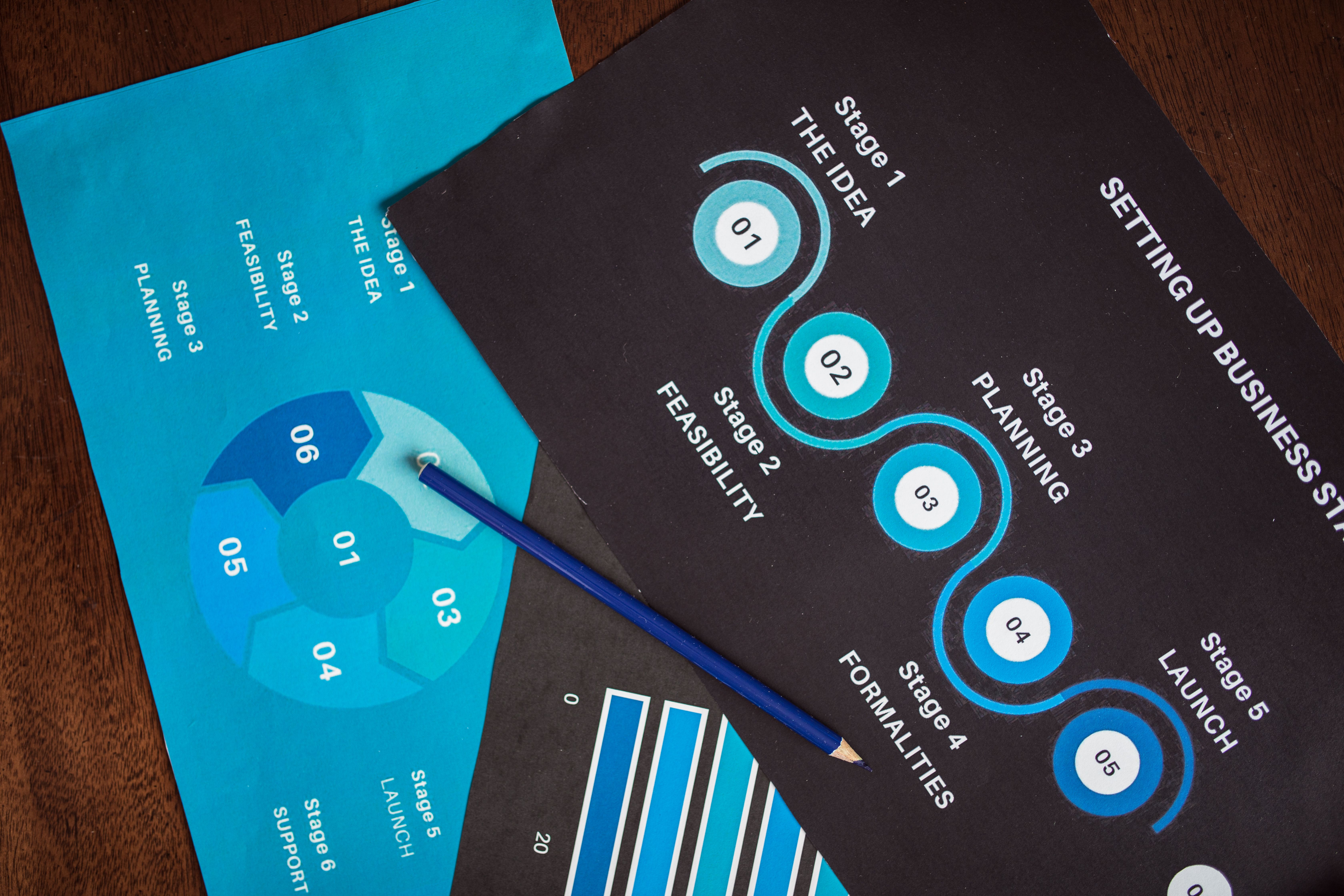
Rewrite your headline three ways: clear (what it is), specific (who it helps),and curiosity (what they will learn). Consider simple patterns that have performed well before, like headlines starting with this for engagement, then pair the headline with one clean visual that supports the main point.
Repurpose winners and track a few simple metrics
After each week, pick the best-performing piece and turn it into two smaller assets, such as a short clip, a carousel, or a quick email. Track only three numbers so you will actually use them: reach (who saw it), engagement (whocared), and clicks or replies (who took action), then adjust your next content based on what moved.
Publish-Ready Trust Checklist
This quick list helps you turn good ideas into content people believe and share. Run it before you hit publish so each piece feels clear, helpful, and worth following.
✔ Confirm one main promise the reader can repeat
✔ Match the topic to a real question you hear often
✔ Draft a headline that says who it helps and why
✔ Add one clean visual that supports the key point
✔ Include one specific example, step, or template to try
✔ Invite one response such as reply, vote, or comment
✔ Review metrics weekly since seventy-five percent of large companies outsource content writers and systems scale
Building Trust Through Consistent, Brand-Aligned Content Over Time
It’s hard to keep publishing when results feel uneven and every post risks sounding off-brand. The steady path is a long-term content strategy built on content consistency benefits, brand-aligned messaging importance, and continuous content improvement based on what performance reveals. When that approach becomes the norm, each piece supports the next, audience trust building gets easier, and the digital presence grows with less guess work. Consistency turns content into proof that your brand keeps its promises.