
Do I Really Have To Do A Video? And Does My Face Have To Be In It?
“Do I really have to do a video?” a question I get asked constantly followed up almost always by “I don’t want my face in it.” And listen — I can’t make you do anything. It’s your business. If you want to build social media content that never includes video or your face, that’s your choice. Some business owners jump right into video with enthusiasm. Others cringe at the idea of being in front of the camera. I get it. It can feel awkward, vulnerable, or just completely out of your comfort zone.
But here are the facts — and the numbers don’t lie.
Video Isn’t Just “Nice to Have” — It’s Performance-Driven
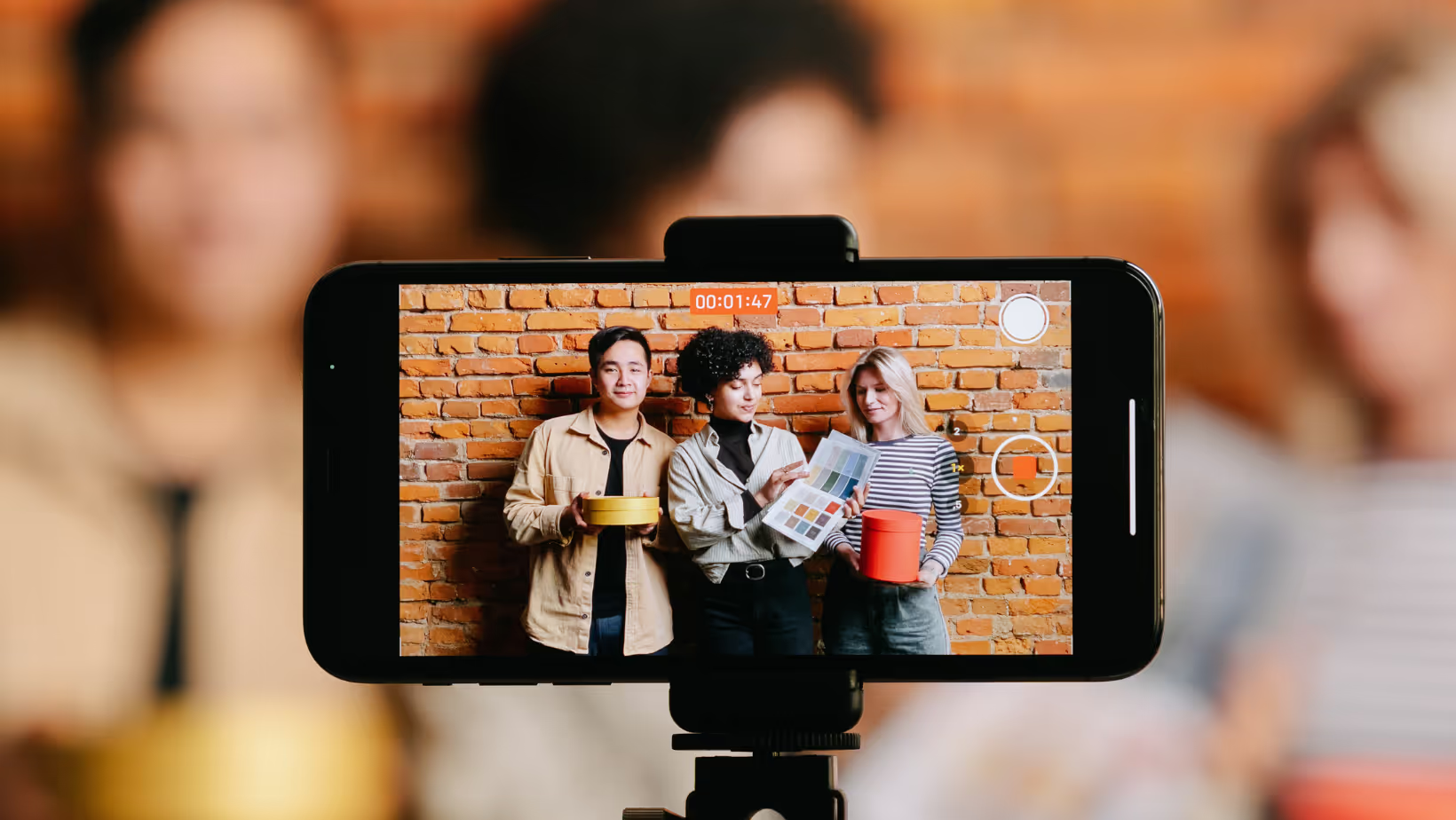
Video is a non-negotiable in social media marketing because it works. Nearly 91 % of businesses now use video as part of their marketing strategy, and that number is growing as platforms prioritize video content. And this is with good reason — 85 % of marketers say video gives them a strong return on investment (ROI). That means more reach, more engagement, and more conversions compared to static images and text posts. Actually, videos get up to 1200 % more shares than text and images combined. And short-form video is still exploding. In 2025, 29% of marketers increased their investment in short-form video like TikTok's, Reels, and YouTube Shorts. So if your goal is growth, video isn’t optional — it’s foundational.
What Do Real People Want To Watch?
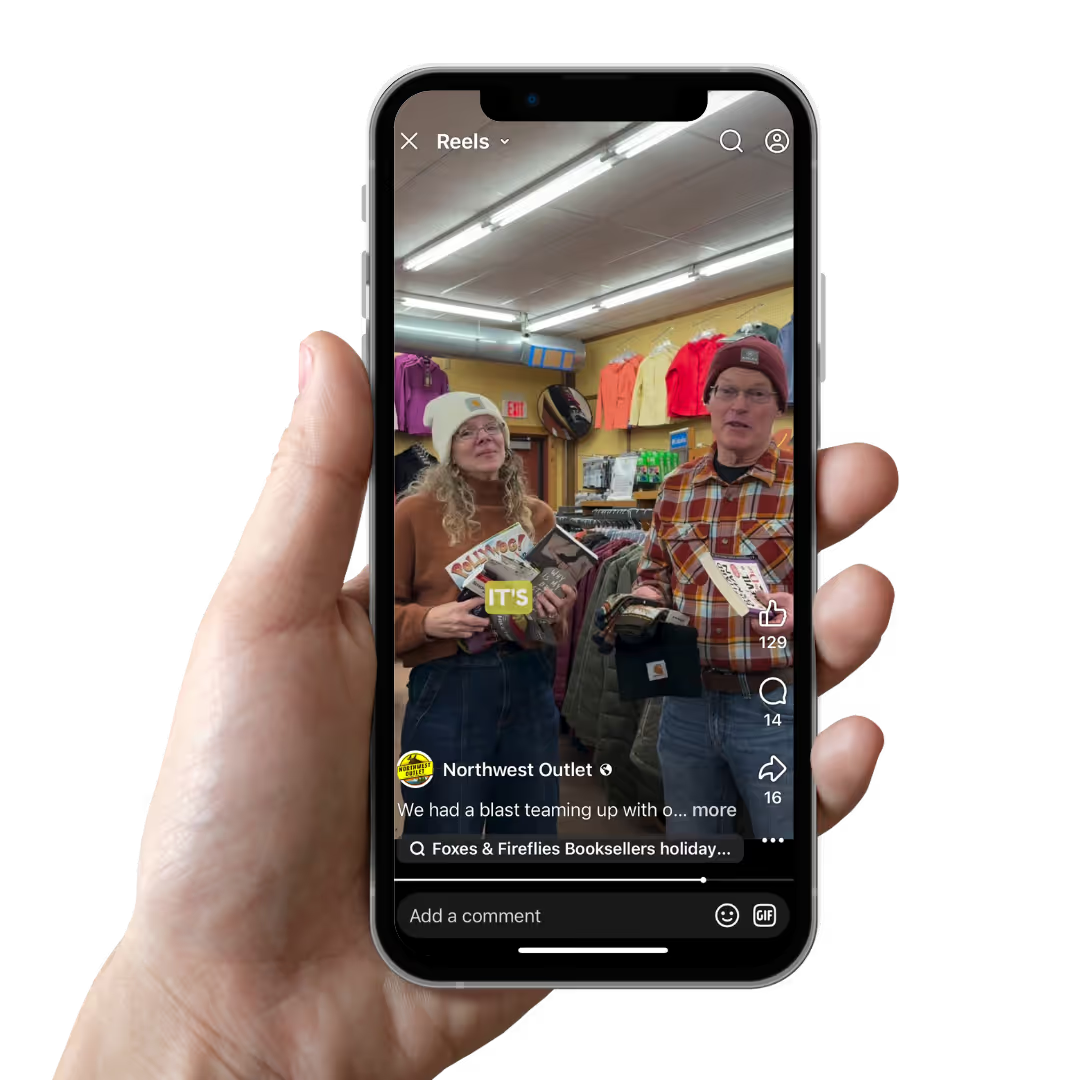
Still feeling uncomfortable having your face on camera? I get it. You might be totally fine with creating B-roll clips, animated graphics, screen recordings — all of which have value — but you don’t want your face on camera. And that’s a completely valid feeling. Not everyone starts out comfortable in front of a lens. As someone who’s whole job is social media marketing, I’ve been there.
But videos with real faces outperform those without — by a wide margin.
Research published in the International Journal of Research in Marketing found that videos featuring faces significantly increase consumer engagement, especially when faces appear early and throughout the content.
Why? Because the human brain is wired to recognize and respond to faces. A face communicates emotion, trust, and connection instantly — faster than any words on the screen.
This shows up in social metrics too:
- Videos with people talking to camera maintain higher viewer retention than those without visible faces.
- Thumbnails with faces can deliver 23% higher click-through rates than graphics alone.
Even better — videos with people in them are more memorable. One study shows that 80% of viewers remember a video they watched within the last month, compared to static content.
Authenticity Matters — At Every Production Level
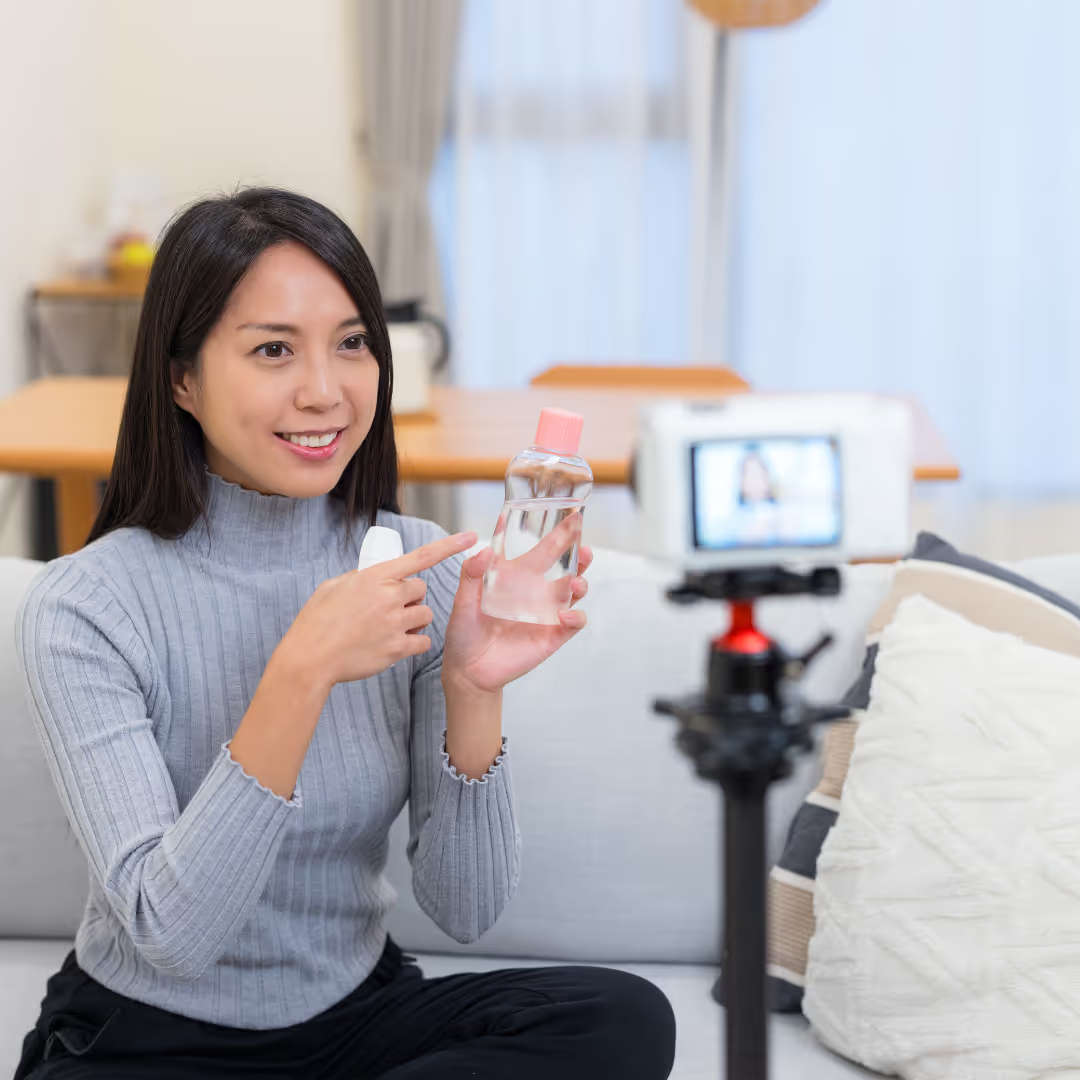
Here’s the part most business owners underestimate: your audience cares more about authenticity than how the video is produced. I’m not saying that production quality doesn’t matter. But you don’t always need a full production team to get the job done.
The studio lighting, fancy cameras, and even better editors are great but I promise — you don’t need it to perform well on social. In fact, smartphone videos are still the norm on many platforms — with 78% of LinkedIn videos recorded on phones rather than professional equipment.
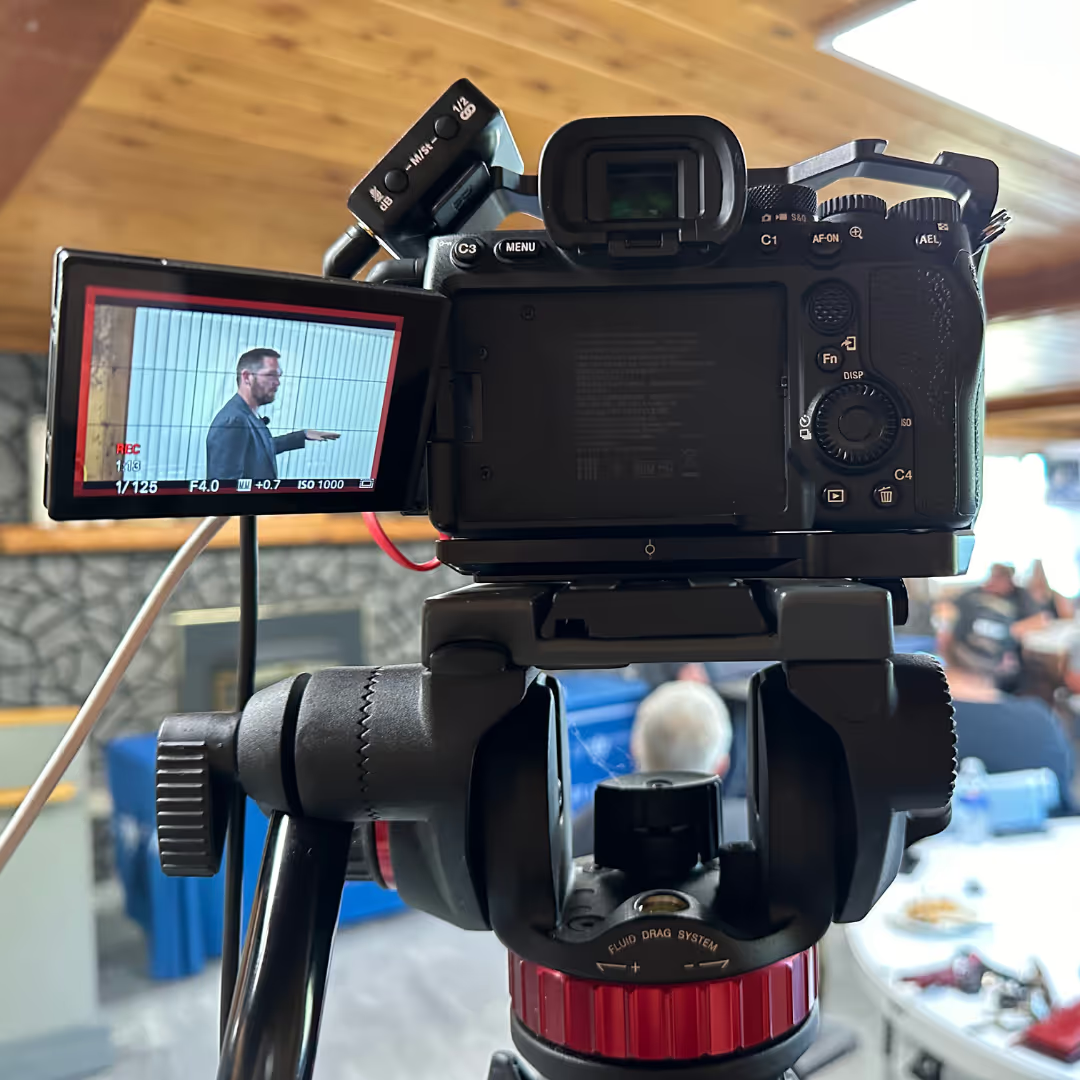
That said, high-production video absolutely has its place — like for brand launches, paid ads, website hero videos, and authority-building campaigns. When done correctly, professional production can elevate credibility, reinforce brand positioning, and create content that works across multiple platforms for longer periods of time.
What matters most — at any production level — is authenticity.
Viewers can instantly tell when a video feels real versus overly scripted or disconnected. A genuine message, clear delivery, and visible human presence build trust faster than polished visuals without personality. High-production video is most effective when it still feels human — not stiff, rehearsed, or corporate. But that short clip you took on your iPhone? It still gets the job done.
So if your hesitation is “I’m not good on camera” or “My lighting is terrible,” here’s the truth: perfection isn’t the goal — connection is. Whether your video is shot on a phone or in a studio, audiences respond to honesty, confidence, and clarity far more than flawless visuals.
The strongest social strategies don’t choose between authenticity or production quality — they combine both intentionally, using the right format for the right message.
How Do I Get There Comfortably?
If you’re reading this and thinking, “I still just don’t want my face on camera,” that’s okay. You don’t have to start with a talking head video tomorrow. Here are some ways to ease into it:
1. Voice-over on B-roll or screen recordings This gets your insight out without showing your face.
2. Short reaction clips Start with 5–10 second “quick takes” rather than full-length recordings.
3. Try a collaboration at first Build familiarity with the camera by sharing it — before being the lone star.
4. Subtle appearances You can show parts of your workflow without a full face shot.
The key is progression, not perfection.
Final Thought: Video + Faces = Connection & Results
So, do you have to do videos? Not legally. Besides I’m not the police, I’m a social media marketer — who has benefitted dozens of businesses. So, if your goal is visibility, engagement, trust, and growth, the data is clear. Choose video. Especially with real faces — and deliver where other content types fall short.
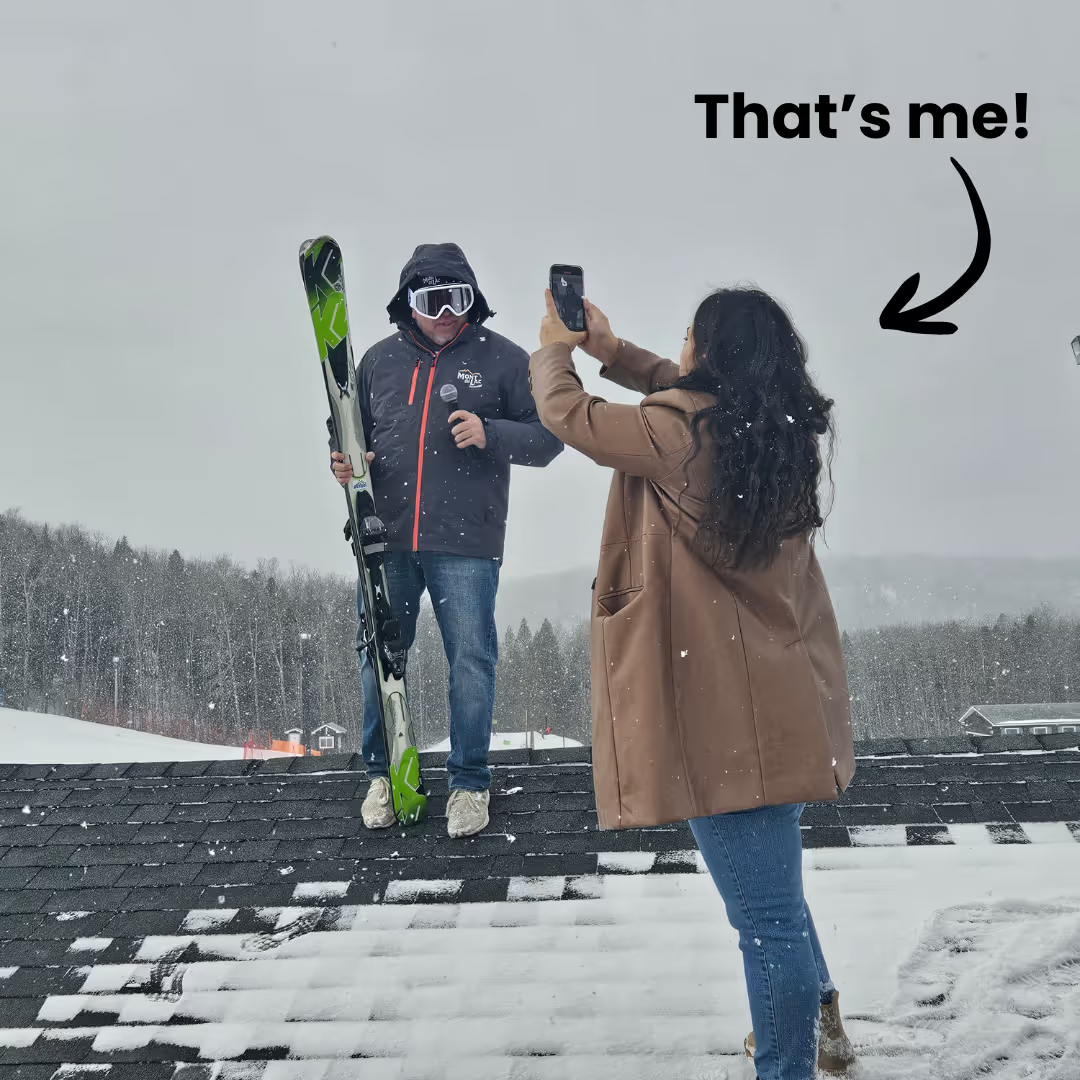
Whether you’re immediately open to being on camera or you need a little time to grow into it, video should be a central part of your social strategy. Your audience wants real connection. And the businesses that embrace video now will continue to outperform those that cling only to static posts.
So the real question isn’t “Do I have to?” — it’s “Can I afford not to?”
If you’d like help planning video ideas, shooting videos, or even starting a content calendar that feels real, I’d be happy to help!